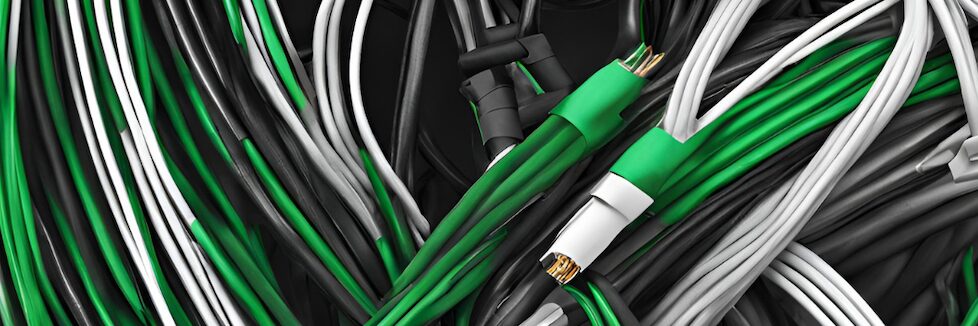
Custom Cable Assemblies for Precision Engineering Projects
In the highly technical world of precision engineering, the smallest components can make the biggest difference. Custom cable solutions are one such critical component that can separate a good project from a great one. Whether you’re in electronics, telecommunications, manufacturing or engineering, the need for bespoke cable assemblies is ever-present and paramount. But what exactly makes these custom solutions so crucial, and how can they transform your projects?
Have you ever considered how the right custom cable assembly can revolutionise your engineering project?
Key Takeaways
- Understand how custom cable assemblies fulfil unique technical requirements
- Discover the benefits of using bespoke cable solutions in various industries
- Learn about different types of custom cable assemblies and their applications
- Get insights into Live Electronics’ expertise in providing high-quality custom cables
- Find out how to contact Live Electronics to discuss your custom cable needs
Understanding Custom Cable Assemblies

Custom cable assemblies are designed and manufactured to meet your specific technical needs. Unlike off-the-shelf options, which are often a one-size-fits-all solution, custom cables are crafted to meet the unique specifications of your project. This demand often arises from industries such as telecommunications, medical and electronics, where standard cables simply won’t suffice.
From choosing the cable and connector type to selecting the materials and performance standards, engineers have a plethora of options at their disposal. This level of customisation is not just about getting the right fit, but also about adhering to stringent quality standards. Our tailored assemblies minimise downtime, optimise operational efficiency and ensure that your engineering project runs smoothly.
The intricacies involved in selecting the perfect cable assembly begin with a thorough understanding of project needs. Engineers must consider factors that include electrical load, environmental conditions and specific functionalities to ensure that the chosen cable assembly will perform as expected.
A notable advantage here is that custom cable assemblies are incredibly versatile. Whether you’re working on a telecommunications project that requires high-speed data transmission or an medical application where durability is critical, bespoke solutions can meet all these demands. The end goal is to improve overall functionality and performance, ensuring that your equipment and systems run without a hitch.
Moreover, custom cable assemblies play a pivotal role in enhancing the reliability of your projects. By adhering to specific performance standards and using high-quality materials, our cable assemblies ensure long-lasting operation, thereby reducing the risk of failures and subsequent project delays.
Benefits of Custom Cable Assemblies

When it comes to engineering projects, there’s no room for error or inefficiency.
Custom cable assemblies are manufactured to exact specifications, which significantly reduces the risk of technical failures. Generic cables can’t promise this level of assurance, especially when your project has unique requirements that necessitate specialised solutions.
Another significant benefit is the flexibility in design, length and connector types that custom cable solutions offer. This allows you to create configurations that fit seamlessly into your existing setup, eliminating the need to make alterations to your equipment or layout. This flexibility can be the difference between a project that faces constant tweaks and one that hits the ground running.
Cost savings are another compelling argument in favour of custom cable assemblies. While the upfront investment might seem higher compared to off-the-shelf options, bespoke cables often prove to be more cost-effective in the long run. For example, customised cable assemblies are designed to be robust and durable, reducing the frequency of replacements and associated downtime. Over time, this means significant cost savings and improved operational efficiency.
The benefits extend beyond reliability and cost-effectiveness. Customised cables can enhance the overall functionality and performance of your equipment. When every component, including the cables, works in harmony, the result is a smoothly operating system that delivers peak performance.
Finally, investing in custom cable assemblies translates into better cable management. With a chaotic array of standard cables, managing and organising them can become a logistical nightmare. Custom solutions streamline this process, leading to a more organised and efficient workspace.
Types of Custom Cable Assemblies

Now that you’re aware of the benefits, it’s essential to understand the types of custom cable assemblies available. Different projects require different kinds of cables, and knowing your options helps ensure you choose the right one.
Multi-conductor cables are often the go-to for complex wiring needs. These cables have multiple wires encased in a single outer sheath, providing a neat and efficient solution for systems requiring numerous connections. They are perfect for control and data applications, where managing multiple signals in a single cable run is advantageous.
Coaxial cables are ideal for applications that demand shielding against electromagnetic interference (EMI). These cables feature an inner conductor surrounded by a tubular insulating layer, a metallic shield, and an insulating outer layer. They are extensively used in communications and signal transmission where quality and integrity of the signal are paramount.
For high-speed, reliable data transmission, data cables are the obvious choice. These include Ethernet cables and other specialised cables designed to handle fast data transfer rates efficiently. IT and communication systems often rely on these cables to maintain robust and uninterrupted operations.
Power cables are designed to safely and efficiently transmit electrical power. These cables are made to endure heavy electrical loads and withstand harsh environmental conditions. They are commonly used in industrial settings, construction sites, and other rugged environments where durability and reliability are critical.
Hybrid cables combine multiple types of cables into a single assembly, streamlining installation and reducing clutter. For instance, a hybrid cable may integrate power, data, and control conductors. This makes them invaluable in setups where you need multiple functionalities but want to minimise the number of individual cables.
Each of these cable types plays a specific role in ensuring that your project requirements are met. By knowing which type best fits your needs, you are better equipped to make informed decisions that enhance the efficiency and success of your project.
Live Electronics: Your Source for Custom Cable Assemblies

If you’re looking for a reliable source for custom cable assemblies, look no further than Live Electronics. With extensive experience and expertise in designing custom cable solutions, we are your go-to provider for all bespoke cable needs. Our team works closely with our manufacturing partners to craft cables tailored to your specific project requirements.
One of the standout features of Live Electronics is our commitment to using top-grade materials. This focus on quality results in cables that are not only durable but also deliver peak performance. Whether you need cables for telecommunications, medical or any other industry, we ensure you get the best.
Our team is adept at understanding complex project needs and translating them into practical cable solutions. From the initial consultation phase to the final product delivery, we are with you every step of the way, ensuring that we meet your technical specifications and performance standards.
Another advantage is our comprehensive range of testing and quality assurance services. Every cable assembly undergoes rigorous testing to confirm its reliability and durability. This level of quality assurance gives you peace of mind, knowing that your project is backed by cables that won’t let you down.
Competitive pricing and excellent customer service further cement Live Electronics as a trusted partner. You not only get high-quality custom cables but also enjoy a smooth and hassle-free experience from start to finish. Our team is always ready to assist you, ensuring that your custom cable needs are met efficiently and effectively.
Contact Live Electronics for Custom Cable Solutions

Ready to elevate your precision engineering projects with custom cable solutions? Our team at Live Electronics is eager to discuss your unique requirements. Experts in the field, we offer invaluable advice and consultation to make sure you get exactly what you need.
Contacting Live Electronics is straightforward. Whether it’s via phone or email, our support team is always ready to assist. From the initial consultation to the final stages of production, we ensure a seamless process that meets your project’s unique specifications. By partnering with Live Electronics, you unlock access to the best solutions for your engineering endeavours.
Frequently Asked Questions
What is custom cabling?
Custom cabling refers to the process of designing and manufacturing cables specifically tailored to meet the unique requirements of a particular project or application. These cables are created to fit precise specifications for length, connectors, and other features, ensuring optimal performance and functionality.
What is a cable assembly?
A cable assembly is a ready-to-install combination of cables and connectors, typically designed for a specific purpose or application. These assemblies come in various configurations, such as power cables, data cables, and signal cables, and can be customized to meet the specific needs of precision engineering projects.